Wednesday, January 20, 2010

Quarter 2 Article 8


3) Reuters- Dec. 29, 2009


5) Milelr chapter 5
6) Regional area: Midwest, USA
7) In the US, a recent snowfall has threatened the corn crops still left to harvest. Out of the the 620 bushels of corn left in the fields, 10 percent of this could be lost due to the snow. In the midwest, about 5 percent of the crop was left to harvest and it has been covered in snow. This will cause the USDA estimate to drop by about 100 million bushels. Hopefully, the corn will not freeze to the ground and farmers will be able to harvest what is left.
8) I think that it is hard dealing with weather conditions as a farmer but they should have already known that they are at the mercy of mother nature.
9) A bushel of corn: 56 pounds of corn or about 72,800 kernels.

Thursday, January 14, 2010

Quarter 2 Article 7


3) Source: Newsday, Jan. 11, 2010


5) Miller Chapter: 17


6) Regional Area: Long Island


7) Plans are currently being made for the largest solar panel farm in the Northeast, right here on Long Island. The farm could potentially power 4,500 houses, or most of Seaford. The project will be spread across 200 acres at the Brookhaven National Laboratory; unfortunately, 150 of trees will have to be cleared. This indusrial size project will cause a large amount of forest to be cut down which angers many member of the Long Island Pine Barrens Society. To counter thier preservatory views, others say that the benefits from the farm far outweigh the cost of cutting down the trees. The fact is that solar panels in clusters near sub-stations don't allow much energy to be lost in translation and solar panels on random buildings could be more costly. About 2 million dollars will be put towards preserving the rest of the pine barrens. A lot of politics are also going on dealing with the purchase of this energy and benefits that may come along with it.


8) I feel that putting solar panels on Long Island is a very good and beneficial idea. Just as Mrs. Platt said in class, the Pine Barrens should not be cut down to do this. I'm sure there is some unused farmland that has already been cleared to put the solar panels on rather than cutting down a large chunk of a perfectly good forest.


9) Pine Barrens: a large area of publicly protected pine barrens in Suffolk County, New York on Long Island, covering more than 100,000 acres

Quarter 2 Article 6


3) Source: Wildlife Conservation Society; 1/12/10


5) Miller Chapter: 11
6) Area: Regional-Fiji Islands
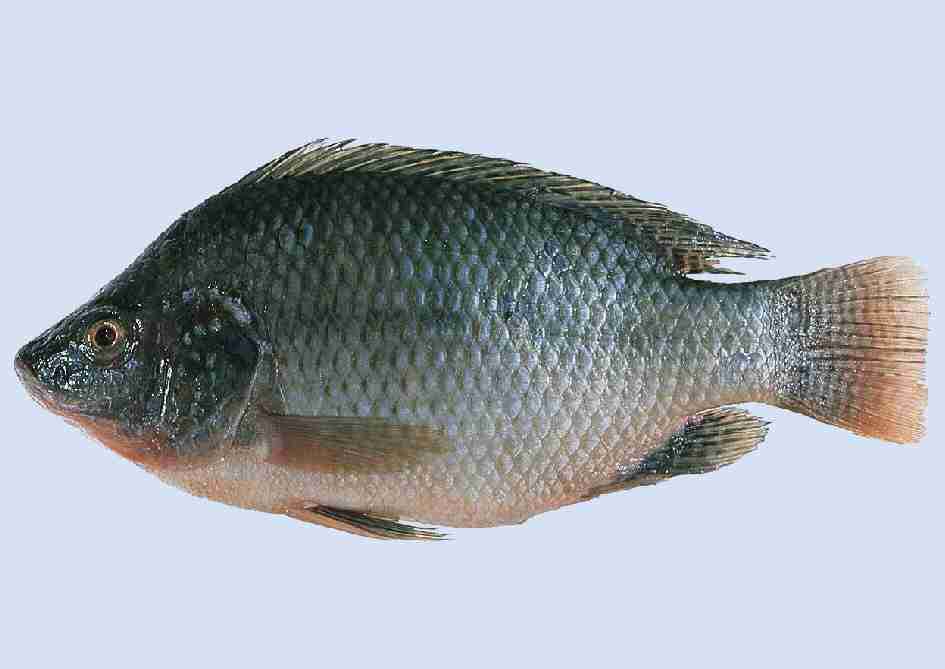
7) Tilapia, a fish that is most commonly known for sustainable fish farming, is actually an invasive species in Fiji. Tilapia is a member of the cichlid family of fishes from Africa and has accidentally been introduced in and around the Fiji islands. The problem with tilapia inhabiting Fiji is that they feed on larvae and juvenile fish. The fact that tilapia feed on this puts many native and unique fish at risk because they are sensitive to this type of predation. This also harms the biodiversity of the tropical waters of Fiji and may lower the number of species residing in those same waters.
8) I was surprised to read this article because I always thought of tilapia as a good fish to eat and farm, not as a bothersome pest. It helped me realize that any introduced or relocated species could be invasive and harmful.
9) aquaculture: the farming of freshwater and saltwater organisms. aka aquafarming.

Wednesday, January 13, 2010

Quarter 2 Article 5


3) Source: ENN, January 11th, 2010


5) Miller chapter 19, 20


6) Area Covered: National

7) The EPA is proposing stricter standards for smog due to the extreme harm it causes to health. The new administration feels the standards set by the previous administrantion did not do enough to protect the health of Americans. The agency is proposing between 0.06 and 0.07 parts per million of ozone over eight hours. This would lower the standard set in 2008 by 0.01 ppm. With known technologies, it would cost between $20 billion and $90 billion to reduce the ozone to 0.07 ppm or 0.06 ppm. The benefits of this project would be a large decrease in illnesses and respiritory complications.

8) I feel that this is a very good idea. The only problem might be cost and unwillingness from the people producing the ozone. Since it is known that ozone causes many health problems, it is wonderful that an organization is taking initiative to help the people.


9)EPA: US Environmental Protection Agency. Their goal is to protect human health and the environment.

Smog: also known as ground level ozone.

Sunday, January 3, 2010

Quarter 2 Article 4


3) Source: NPR, Dec. 29, 2009


5) Miller Chapter 8, 11


6) Area Covered: regional


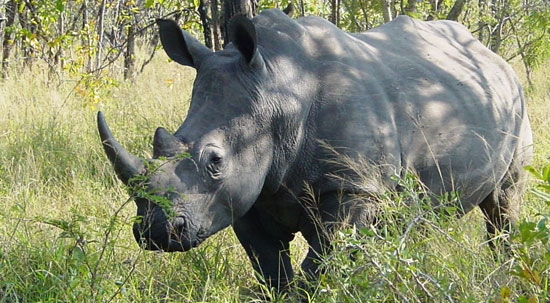
7) One of the world's rarest animals is the northern white rhinocerous. This was due to the species being hunted to extinction by poaching in Sudan and the Democratic Republic of Congo. Two of the eight remaining rhinos were sent to a zoo in Kenya with the hope that the climate would encourage them to breed. It has been found that the white rhinos do not breed well in captivity and it is thought to be due to the small enclosures they are kept in. In Kenya, the 2 rhinos will have a fenced off 1,000 acre area to live and breed.. Scientists hope that the rhinos will breed successfully in their new homes.


8) I think it is wonderful that the white rhinos are being helped but I really hope it works. Many said that there is not enough time and money to help the white rhinos so this may be their last chance to really repopulate their species.
9) Ol Pejeta : is an important “not-for-profit” wildlife conservancy in the Laikipia District of Kenya and the largest sanctuary for black rhinos in east africa.